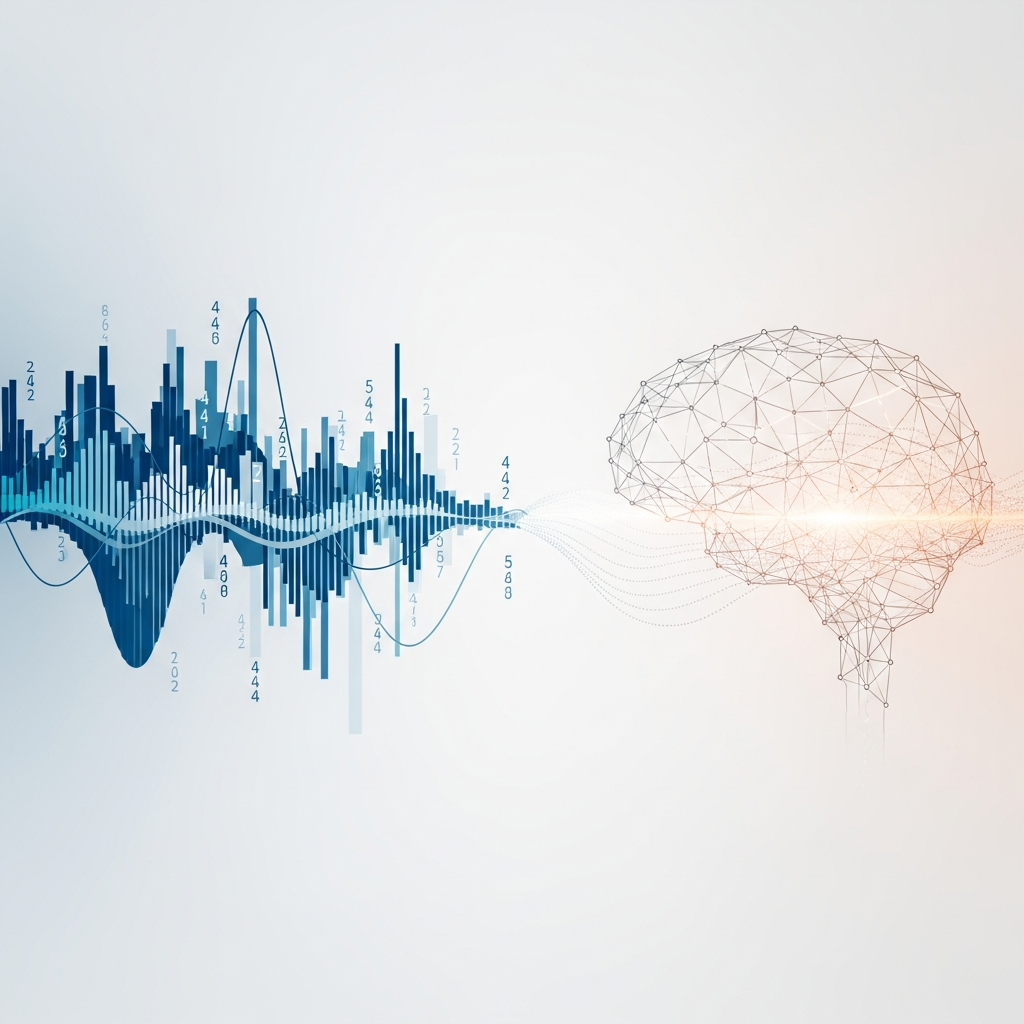
Using real-time physics integration and narrative structure guidance to create compelling, accurate financial content
Learn how AI animation tools help finance creators build compelling narrative arcs while maintaining data accuracy. This guide covers real-time physics integration for dynamic visualizations that hold viewer attention.
TL;DR
AI animation automates technical execution in finance video production, enabling creators to focus on data interpretation and storytelling rather than motion graphics skills.
Narrative structure guidance from AI tools helps organize visual storytelling into coherent sequences with appropriate pacing, transitions, and emphasis points.
Real-time physics integration creates natural, credible animations where charts and data visualizations move with physically plausible momentum and easing.
Production time drops significantly when using AI animation, with documented cases showing 50% or greater reductions while maintaining or improving visual quality.
Start with one regular video to test AI animation integration, document your baseline workflow, and iterate based on measurable results.
Guide Orientation: What This Guide Covers
This guide examines how AI animation transforms financial data storytelling by providing narrative structure guidance that makes complex information accessible. You will learn how real-time physics integration creates dynamic, accurate visualizations that hold viewer attention.
This content is designed for finance content creators, data journalists, and financial communicators who produce video content explaining markets, investment strategies, or economic trends. By the end, you will understand how to leverage AI animation tools to build compelling narrative arcs while maintaining data accuracy.
We focus specifically on narrative construction and visual clarity, not general video editing techniques or basic animation principles. If you create finance videos and struggle with production time or viewer engagement, this guide addresses your core challenges.
Why Narrative Structure in Finance Videos Matters Now
Financial content faces a fundamental tension: data complexity versus audience attention. The AI video market reached $4.55 billion in 2025 precisely because creators need tools that resolve this tension efficiently.
Audiences increasingly expect broadcast-quality visuals regardless of budget. Finance influencers compete with institutional media for the same viewers. Data journalists must convey nuanced economic stories in formats optimized for social platforms where attention spans measure in seconds.
The cost of poor narrative structure is measurable. Viewers abandon videos that fail to establish context quickly. Complex charts without guided interpretation create confusion rather than insight. Static presentations lose engagement compared to dynamic content.
AI animation addresses these constraints by automating the technical execution that previously required specialized motion graphics skills. This shift enables finance professionals to focus on what they do best: interpreting data and crafting meaningful stories. The animation industry's growth to $400 billion by 2025 reflects this broader transformation in how businesses communicate complex information.
Core Concepts: Understanding AI Animation for Finance
What AI Animation Actually Does
AI animation in financial contexts refers to automated systems that generate motion graphics, chart animations, and visual transitions based on data inputs and narrative parameters. Unlike traditional animation requiring frame-by-frame construction, AI systems interpret data relationships and produce appropriate visual representations.
The technology processes numerical data and generates corresponding visual movements: bars rising, lines trending, segments expanding. This automation eliminates the manual keyframing that previously consumed hours of production time.
Narrative Structure Guidance Explained
Narrative structure guidance refers to how AI tools help organize visual storytelling elements into coherent sequences. This includes pacing recommendations, transition suggestions, and visual hierarchy decisions that support comprehension.
A common misconception: AI animation simply makes things move. In practice, sophisticated systems analyze data patterns and suggest narrative flows that emphasize key insights. The technology guides creators toward storytelling structures that work.
Real-Time Physics Integration
Real-time physics integration means animations respond to data changes with natural, physically plausible movements. Charts do not simply snap between values; they transition with momentum, easing, and visual weight that mirrors real-world behavior.
This matters because human perception is calibrated to physical reality. Animations that violate physics principles feel wrong, even when viewers cannot articulate why. Motion capture technology adoption increased 30% in 2023, reflecting growing demand for naturalistic movement in business content.
The Framework: Data to Story in Four Phases
Effective AI-assisted finance video production follows a cyclical process with four interconnected phases: Data Preparation, Narrative Design, Visual Execution, and Refinement. Each phase builds on the previous while informing subsequent iterations.
Data Preparation establishes accuracy. Narrative Design determines structure. Visual Execution generates the animation. Refinement optimizes for audience response. The phases connect through feedback loops: refinement insights inform future data preparation, visual execution reveals narrative gaps.
This framework applies whether you produce weekly market updates or annual report explainers. The scale changes; the structure remains consistent. Understanding this system enables you to identify where your current workflow breaks down and where AI tools provide maximum leverage.
Step-by-Step: Building Narrative-Driven Finance Videos
Step 1: Audit Your Data for Story Potential
Objective: Identify which data points carry narrative weight and which serve as supporting context.
Begin by separating your data into primary insights and contextual information. Primary insights drive your narrative arc; they answer the question your audience cares about. Contextual data provides necessary background without demanding focal attention.
Map relationships between data points. AI animation tools excel at visualizing connections, but they require clear input about which relationships matter. A revenue chart gains meaning when linked to market events; an isolated number tells no story.
Verify accuracy before any visual work begins. Animated errors are harder to correct than static ones, and finance audiences notice discrepancies. Cross-reference sources, confirm calculations, document your data lineage.
Avoid: Treating all data as equally important. Overloading initial visualizations with every available metric. Skipping verification because "the numbers look right."
Success indicators: You can articulate your primary insight in one sentence. You have identified 3-5 supporting data points. Your source documentation is complete.
Step 2: Design Your Narrative Arc
Objective: Establish a clear beginning, middle, and end that guides viewers through your data story.
Finance videos that engage audiences follow recognizable narrative patterns. The most effective for data content: Context, Complication, Resolution. Establish baseline understanding, introduce the key tension or question, then resolve with insight.
AI animation tools provide narrative structure guidance by suggesting visual pacing based on content type. Explainer videos benefit from steady revelation. Market updates may require faster information density. Match your structure to audience expectations and platform requirements.
Plan your visual emphasis points. Where should attention concentrate? What transitions signal shifts in your argument? These decisions shape how AI tools generate animations. Vague guidance produces generic results.
Avoid: Starting with data presentation before establishing context. Cramming multiple narratives into single videos. Assuming viewers share your baseline knowledge.
Success indicators: Your outline has clear act breaks. You have identified 2-3 moments of visual emphasis. Your estimated runtime matches platform norms.
Step 3: Configure AI Animation Parameters
Objective: Set up AI tools to generate animations that serve your specific narrative requirements.
Modern AI animation platforms like Flowi accept data inputs and narrative parameters to generate appropriate visualizations. Configure your tool with explicit guidance about tone, pacing, and visual style before generation.
Specify how real-time physics integration should behave. Should transitions feel weighty and deliberate, or light and quick? Physics parameters affect perceived credibility. Financial content typically benefits from measured, confident movement rather than flashy effects.
Select appropriate chart types and visualization formats based on your data relationships. AI tools can generate multiple options, but you must evaluate which best serves comprehension. The AI animation market's projected growth to $10 billion by 2028 reflects increasing sophistication in these generation capabilities.
Avoid: Accepting default settings without customization. Prioritizing visual novelty over clarity. Ignoring platform-specific output requirements.
Success indicators: Your parameter settings are documented. Test animations match your intended tone. Output formats meet distribution requirements.
Step 4: Generate and Evaluate Initial Outputs
Objective: Produce first-draft animations and assess them against narrative and accuracy criteria.
Run your configured parameters through the AI animation system. Modern tools like Flowi generate After Effects-quality output without timeline editing, but initial outputs still require evaluation. Automation accelerates production; it does not eliminate judgment.
Evaluate animations against three criteria: accuracy, clarity, and engagement. Accuracy means visual representations match underlying data. Clarity means viewers can interpret information without confusion. Engagement means visual interest sustains attention through your narrative.
Document specific issues for revision rather than general impressions. "The Q3 transition feels abrupt" provides actionable guidance. "It needs to be better" does not.
Avoid: Approving outputs without careful review. Focusing exclusively on aesthetics. Making changes without understanding their narrative impact.
Success indicators: You can verify data accuracy in visual representations. Test viewers understand key insights without additional explanation. Engagement metrics from similar past content inform your evaluation.
Step 5: Refine for Narrative Flow
Objective: Optimize transitions, pacing, and emphasis to strengthen your story's impact.
Review your animation sequence as a complete narrative unit. Individual segments may work well in isolation but create disjointed experiences when combined. AI tools provide narrative structure guidance, but final coherence requires human judgment about flow.
Adjust real-time physics integration settings based on evaluation feedback. If transitions feel mechanical, increase easing parameters. If movements distract from data, reduce visual complexity. The goal is animation that supports comprehension without calling attention to itself.
Test with representative audience members when possible. Finance content creators often develop blind spots about what their audiences already understand. Fresh perspectives reveal assumptions embedded in your narrative.
Avoid: Over-polishing individual segments at the expense of overall flow. Adding visual effects that do not serve comprehension. Ignoring feedback that conflicts with your preferences.
Success indicators: Viewers can summarize your key insight after watching. Attention metrics show sustained engagement. The video feels complete rather than truncated or padded.
Step 6: Optimize for Distribution
Objective: Prepare final outputs for specific platforms while maintaining narrative integrity.
Different platforms require different formats, aspect ratios, and duration constraints. AI animation tools can generate multiple versions from single source configurations. Plan distribution requirements before final rendering to avoid redundant work.
Consider how platform algorithms affect visibility. Belfast businesses using AI-enhanced animation have cut production time by up to 50% while improving viewer retention, partly by optimizing for platform-specific engagement patterns.
Maintain narrative structure across format variations. A 60-second Instagram version and a 5-minute YouTube version tell the same core story with different levels of detail. Your primary insight should survive any format adaptation.
Avoid: Creating platform versions as afterthoughts. Sacrificing clarity for duration constraints. Ignoring platform-specific accessibility requirements.
Success indicators: All platform versions pass technical specifications. Core narrative survives format adaptation. Distribution workflow is documented and repeatable.
Practical Application: Market Update Video
Consider a weekly market update covering sector performance. Traditional production requires manually creating charts, animating transitions, and syncing with narration. This process typically consumes 4-6 hours for a 3-minute video.
Using AI animation with narrative structure guidance, the same creator imports data directly, specifies a "weekly update" template with appropriate pacing, and generates initial animations in minutes. Real-time physics integration ensures chart movements feel natural as values change.
The creator's time shifts from technical execution to editorial decisions: which sectors deserve emphasis, what context viewers need, how to frame the week's key insight. Production time drops to 1-2 hours while visual quality matches or exceeds manual output.
This pattern scales across content types. Quarterly earnings explainers, investment thesis presentations, economic indicator analyses all benefit from the same workflow shift. The AI animation tool market's projected growth to $1.66 billion by 2035 reflects widespread adoption of this approach.
Common Mistakes and How to Avoid Them
Finance content creators new to AI animation often over-rely on tool defaults. Default settings optimize for general use cases, not your specific audience or narrative requirements. Invest time in customization.
Another frequent error: treating AI animation as a replacement for narrative thinking rather than an accelerant. Tools that provide narrative structure guidance still require you to have a story worth telling. Technology amplifies quality; it does not create it.
Some creators chase visual complexity because AI makes it easy. Resist this temptation. Animated content shows 30% higher profit margins not because of visual sophistication, but because animation enables clearer communication of complex ideas. Clarity beats complexity.
Finally, neglecting iteration undermines results. AI tools generate quickly, which enables more refinement cycles. Use that speed for improvement, not just faster delivery of first drafts.
What to Do Next
Start with one video. Select a piece of financial content you produce regularly, something where you understand the narrative requirements and can evaluate results against past performance.
Document your current production time and workflow. This baseline enables meaningful comparison after implementing AI animation tools. Improvement you cannot measure is improvement you cannot replicate.
Explore tools designed for finance-specific visualization. Flowi and similar platforms offer domain-specific templates that encode best practices for financial data presentation. General-purpose animation tools require more configuration to achieve equivalent results.
Treat this guide as a reference rather than a checklist. Return to specific sections as your practice develops and new questions emerge. Effective AI animation integration is iterative; your approach will evolve with experience.
Frequently Asked Questions
What is AI animation in data visualization?
AI animation in data visualization refers to automated systems that generate motion graphics and chart animations based on data inputs. These tools interpret numerical relationships and produce corresponding visual movements, eliminating manual keyframing while maintaining accuracy. For finance content, this means charts, graphs, and data representations that animate naturally as values change.
How does AI animation improve narrative structure in finance videos?
AI animation tools provide narrative structure guidance by suggesting pacing, transitions, and visual emphasis based on content type and data patterns. They help organize storytelling elements into coherent sequences that support viewer comprehension. This guidance enables creators to focus on editorial decisions rather than technical execution.
What is real-time physics integration and why does it matter?
Real-time physics integration means animations respond to data changes with natural, physically plausible movements. Charts transition with momentum and easing rather than abrupt jumps. This matters because human perception is calibrated to physical reality; animations that violate physics principles feel untrustworthy, which undermines credibility in financial content.
How much time can AI animation save in finance video production?
Production time reductions vary by content complexity and creator experience, but documented cases show 50% or greater time savings. A weekly market update that previously required 4-6 hours of production can often be completed in 1-2 hours using AI animation tools, with equivalent or improved visual quality.
Do I need animation expertise to use AI animation tools for finance content?
No. Modern AI animation platforms like Flowi are designed for analysts and financial communicators without motion graphics backgrounds. These tools automate technical execution while providing templates optimized for financial data presentation. Your expertise in data interpretation and storytelling matters more than animation skills.
What challenges do AI-driven animations face in maintaining financial accuracy?
The primary challenge is garbage in, garbage out. AI tools visualize the data they receive; they cannot verify accuracy. Creators must validate data before animation and review outputs to ensure visual representations match underlying numbers. Additionally, some complex financial relationships require human judgment about how to visualize them appropriately.
Sources
Read Next
Continue Exploring
How to Use AI Animation for Financial Storytelling
Learn how to use AI animation to transform financial data into engaging visual stories. A complete guide covering strategy, tools, and workflow integration.
7 Ways AI-Driven Animation Clarifies Financial Narratives
Learn 7 ways AI-driven animation transforms complex financial data into clear, engaging narratives. Practical techniques for earnings calls and investor cont...
How AI Animation Fixes Broken Financial Data Stories
Discover how AI animation helps financial content creators turn complex data into clear, accurate visuals. Frameworks and strategies for building audience tr...